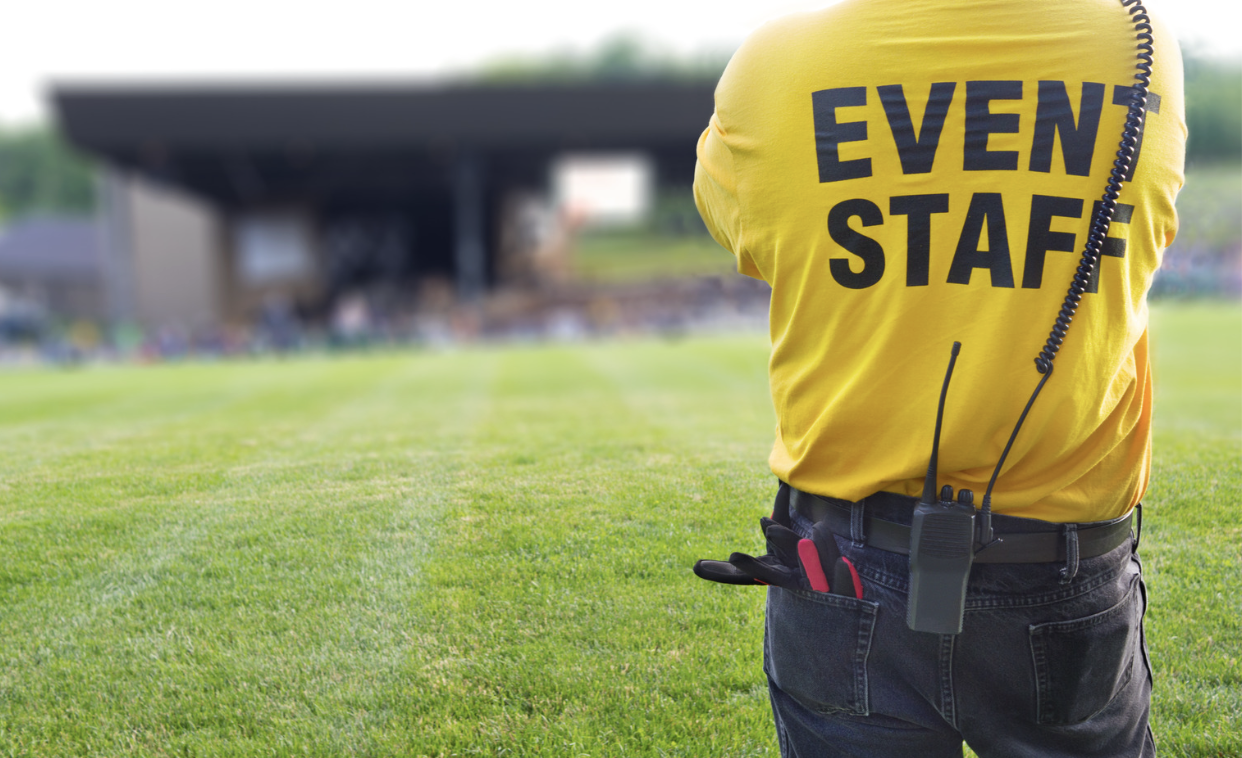

Schools invest significant time and money into safety but I’m here to remind you that safety starts with people. Schools install cameras, upgrade access-control systems, revise emergency plans, conduct drills, adopt new technology, and so on.
All of those measures matter.
But none of them can replace a well-prepared person. I’ve said it many times and I want to say it again here. A well-trained staff member is the strongest defense during a crisis.
At its core, school safety depends on people who understand their environment, recognize when something has changed, communicate concerns, and know how to respond when help is needed.
That is why safety starts with people.
Technology Can Support Safety, but People Make It Work
A camera may record suspicious behavior, but a person must notice it, understand its significance, and take action.
A written emergency plan may provide valuable guidance, but staff members must know where to find it, understand their responsibilities, and be able to apply it under pressure.
A locked door can create an important layer of protection, but only when employees consistently follow access procedures and report problems when the system is not working properly.
Infrastructure, technology, policies, and planning are all parts of a strong safety system. People are the part that connects everything together.
Every Employee Has a Safety Role
School safety is not only the responsibility of administrators, security personnel, or law enforcement.
Teachers, office staff, custodians, bus drivers, food-service employees, teaching assistants, counselors, substitutes, and other support staff all see different parts of the school day.
A custodian may notice a door that is not securing properly.
A secretary may recognize a change in a visitor’s behavior.
A teacher may observe a student who appears unusually distressed.
A bus driver may hear information that never reaches the classroom.
When employees understand that their observations matter, the entire school becomes more capable of identifying and addressing concerns early.
Strong Safety Cultures Encourage Communication
Employees are more likely to report concerns when they know:
- What types of behavior or conditions should be reported
- Who should receive the information
- How to report a concern
- That they will be taken seriously
- That they do not need to have every answer before speaking up
Schools should make it clear that reporting is not overreacting. It is an important part of prevention.
Many situations begin with small warning signs. A change in behavior, an unusual interaction, a broken security feature, or a confusing procedure may not appear urgent on its own. However, when information is shared, patterns can emerge and problems can be addressed before they grow.
Preparation Builds Confidence
People are more likely to respond effectively when they have been given practical training and opportunities to think through realistic situations.
Effective preparation should go beyond simply reviewing written procedures. Staff members need to understand how those procedures apply to their specific building, role, and work environment.
They should be able to answer questions such as:
- How will I receive emergency information?
- What is expected of me during different types of incidents?
- How do I request help?
- What should I do if the usual procedure is not possible?
- Who is responsible for making critical decisions?
- How should I support students during and after an emergency?
The goal is not to make employees fearful. The goal is absolutely to help them feel capable.
Safety Is Something People Practice Every Day
A strong safety culture is not created by one annual training or a binder stored on a shelf.
Safety is built through everyday habits. Habits such as:
- Securing doors
- Following visitor procedures
- Reporting maintenance concerns
- Sharing changes in student behavior
- Asking questions when expectations are unclear
- Reviewing lessons learned after drills or incidents
- Supporting coworkers who raise concerns
- These actions may seem small, but together they create a safer and more responsive school environment.
Begin With the People Already in Your Building
As schools prepare for a new year, it is worth asking:
-
- Do our employees understand their role in the safety system?
-
- Do they know how to report concerns?
-
- Do they feel comfortable asking questions?
-
- Have we prepared them to make decisions when circumstances change?
The strongest safety systems are not built around the assumption that technology or policies will solve every problem. They are built around people who are informed, observant, connected, and prepared.
Because safety does not start with equipment.
Safety starts with people.