How connection, observation and simple conversations can strengthen school safety
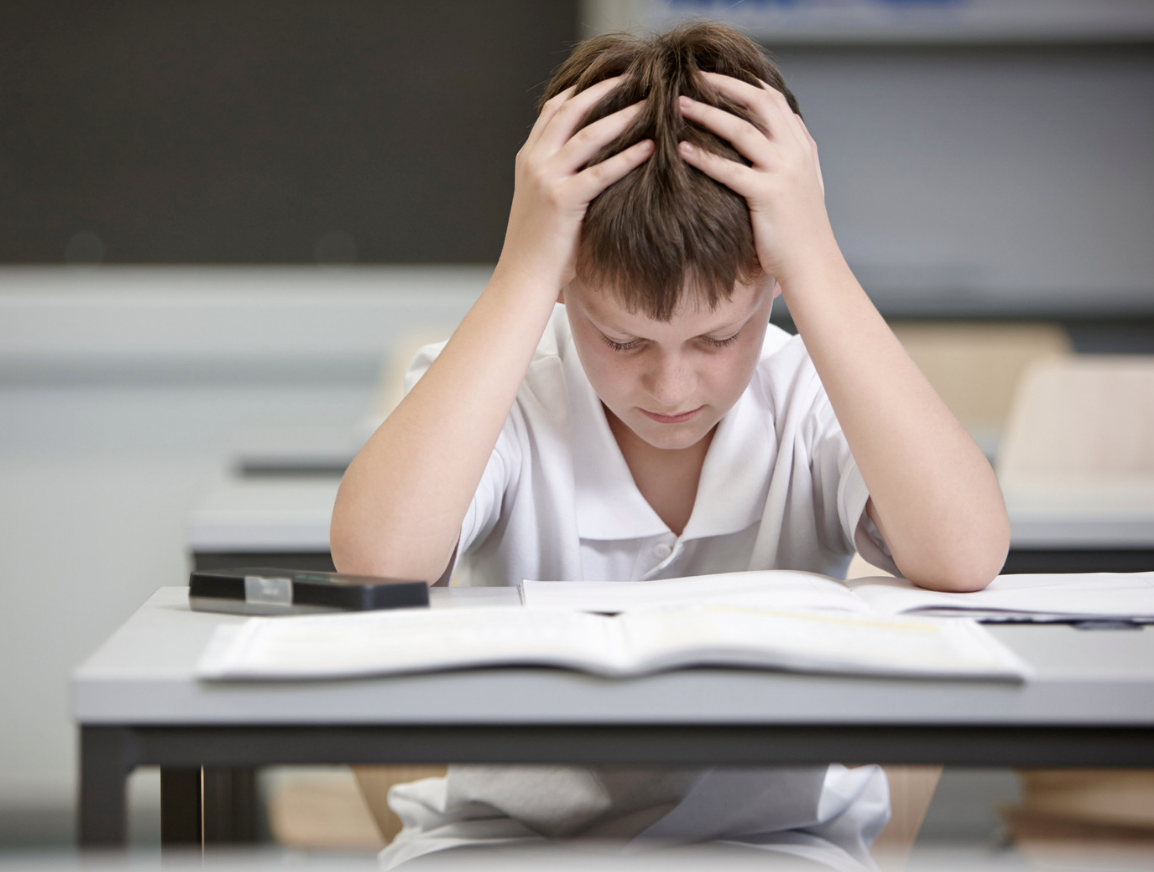
Sometimes the first indication that a student needs support isn’t a dramatic event. It’s a change.
The student who usually walks into class talking to everyone suddenly becomes quiet.
The student who always sits with the same group at lunch starts eating alone.
Someone who rarely misses school begins arriving late.
A student stops participating in an activity they used to enjoy.
A child who normally seems comfortable suddenly appears anxious during a particular part of the day.
None of these changes automatically tells us why something is happening. And that’s important.
A change in behavior is not a diagnosis. It isn’t proof that a student is being bullied, experiencing a mental health challenge, having problems at home or facing some other specific issue.
But a change can give us something valuable: Information. And sometimes, noticing that information creates an opportunity for connection before a problem becomes bigger.
Notice the Change, Not Just the Behavior
In busy schools, it is easy to focus on behavior in isolation.
A student is late.
A student isn’t participating.
A student becomes disruptive.
A student stops completing work.
A student is suddenly spending time with different people.
But one of the most useful questions we can ask is: “Is this different for this student?” Context matters.
The quiet student who has always preferred spending lunch alone may be perfectly comfortable. But when an outgoing student suddenly withdraws from friends, that change might be worth noticing. The goal isn’t to interpret every behavior as a problem.
The goal is to recognize when something has shifted.
The People Who Notice May Surprise You
Teachers often develop strong relationships with their students, but they aren’t the only adults who may notice change.
A bus driver may realize a student who normally talks throughout the ride has become unusually quiet.
A cafeteria employee may notice someone has stopped sitting with friends.
A hall monitor may see a student repeatedly avoiding a particular hallway.
A coach may recognize that an athlete’s attitude or participation has changed.
A school secretary may notice a student visiting the office more frequently.
A custodian may see interactions in a hallway that others don’t.
School safety becomes stronger when we recognize that everyone who interacts with students can contribute to a better understanding of what is happening in the school environment. Sometimes one person sees one piece. Someone else sees another.
Communication helps connect them.
Start With Connection
When we notice something different, our first response doesn’t need to be complicated.
Sometimes it begins with: “Hey, I’ve noticed you seem a little quieter lately. How are you doing?” Or: “You haven’t seemed like yourself this week. Is everything okay?”
The purpose isn’t to interrogate. It’s to open a door.
A student may say everything is fine.
They may not be ready to talk.
They may share something completely unrelated to what we expected. Or they may tell us something that matters.
What is important is that someone noticed and cared enough to ask. That interaction communicates: You are seen here.
Relationships Are Part of Prevention
We often think about school safety in terms of procedures, doors, cameras, drills and emergency plans. Those things matter.
But people are part of the safety system too.
Students are more likely to communicate concerns when they believe the adults around them will listen, take them seriously and respond appropriately.
That relationship can’t always be built in the moment something goes wrong. It is created through hundreds of small interactions beforehand.
Knowing a student’s name.
Asking about their game.
Remembering something they told you.
Greeting them in the hallway.
Listening without immediately correcting.
Following up after a difficult day.
Those moments may seem unrelated to safety. But they aren’t. Those small moments embody the heart of what makes safety stronger, people. They help create connection, trust and belonging and the conditions that make communication easier when something does matter.
Pay Attention to the Social Environment
Coming in to October, it is National Bullying Prevention Awareness Month, making this an especially good time to look beyond individual behaviors and consider the environment surrounding students.
Ask yourself:
Who seems connected?
Who seems isolated?
Are certain students regularly excluded?
Are there locations where negative interactions are more likely to happen?
Do students feel comfortable asking adults for help?
Are adults visible and engaged during less-structured times like lunch, recess, arrival and dismissal?
Do students believe concerns will actually be addressed when they share them?
Bullying is one possible reason a student’s behavior may change but it is far from the only one.
The larger lesson is this: Social environments give us information too.
Patterns of exclusion, conflict, isolation or disrespect shouldn’t simply become part of the background noise of a school day.
They are opportunities to strengthen the environment.
One Observation Isn’t the Whole Story
There is another important piece of this conversation. Avoid jumping to conclusions.
A student having a bad morning is not necessarily experiencing a crisis.
A teenager becoming quieter does not automatically indicate a serious problem.
A disagreement between students isn’t automatically bullying.
Observation should create curiosity, not assumptions.
Instead of deciding what a behavior means, we can ask:
What changed?
How long has this been happening?
Has anyone else noticed something similar?
Does the student need someone to check in?
Is there information that should be shared with the appropriate school professional?
The goal isn’t for every staff member to become an investigator or counselor. It is for people to recognize when something may deserve attention and know what to do with that information.
Make Communication Easy
Schools can strengthen this process by making expectations clear.
If a staff member notices a meaningful change in a student, who should they tell?
A teacher?
Counselor?
Social worker?
Administrator?
School psychologist?
Another designated member of the student-support team?
Staff shouldn’t have to wonder. They should know how to communicate a concern and feel confident that sharing an observation is welcomed.
Even when an observation ultimately turns out to be nothing significant, creating a culture where people communicate is valuable.
Because we don’t want staff members thinking: “It’s probably nothing, so I won’t say anything.”
We want them thinking: “I noticed something. I’ll make sure the right person knows.”
A Simple Question for Your Staff
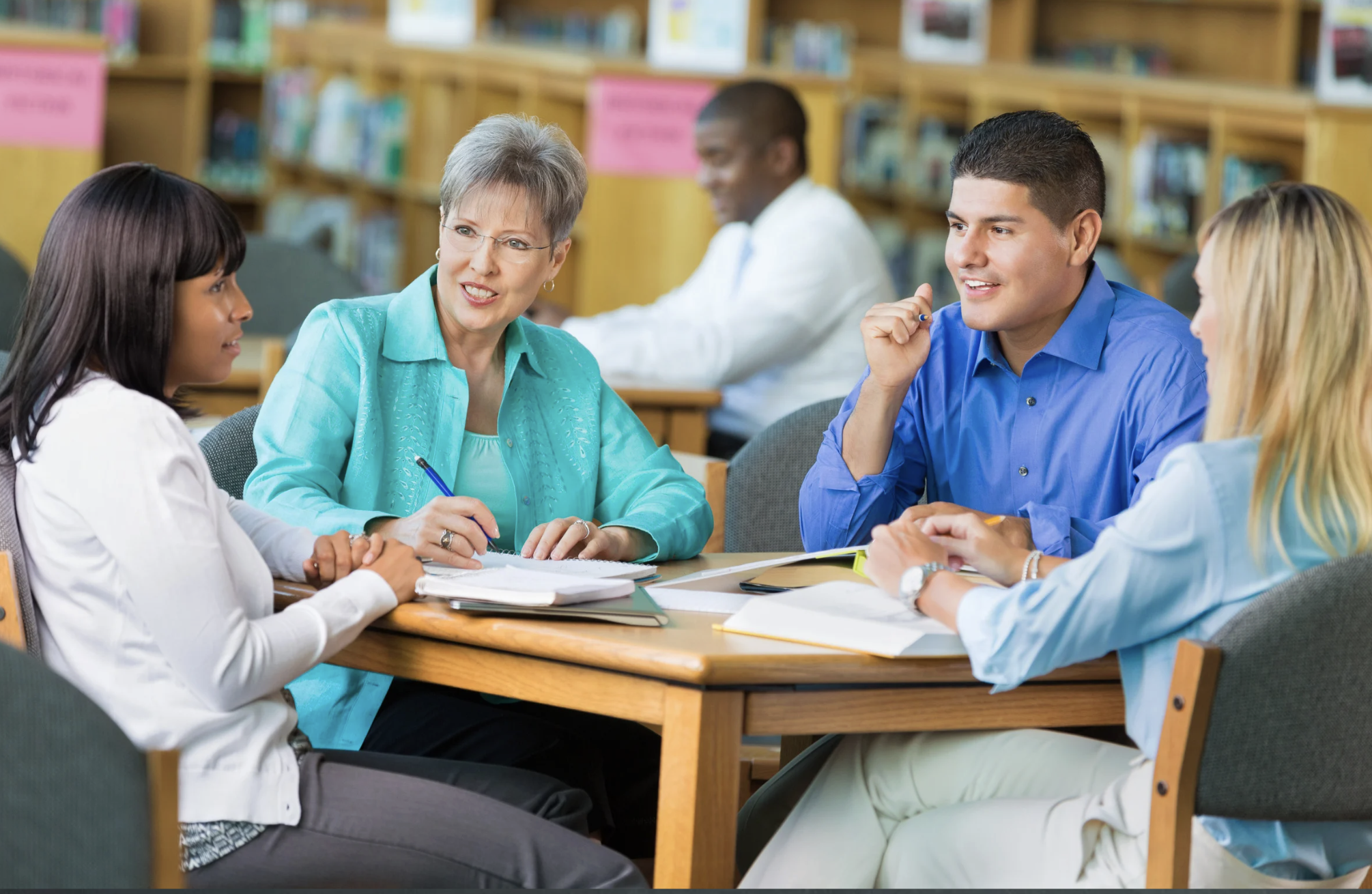
At your next faculty meeting, department meeting or safety-team discussion, try asking: “If a student you see every day suddenly seemed different, what would you do?” Then listen to the answers.
Would staff feel comfortable starting a conversation?
Would they know where to share a concern?
Would they know the difference between an observation and an assumption?
Would they know who is responsible for following up?
That five-minute conversation can tell you a great deal about your school’s communication culture.
Safety Starts With People
Prevention doesn’t always begin with identifying a threat.
Sometimes it begins much earlier.
Someone notices.
Someone asks a question.
Someone listens.
Someone communicates.
Someone follows up.
And a student realizes that somebody noticed they weren’t quite themselves.
That’s the human side of prevention.
And it is one more reason why Safety Starts With People.
Helping Schools Strengthen the Human Side of Safety
Level-Up Safety helps schools examine the connection between people, environments, communication and everyday practices through staff training, comprehensive site assessments and emergency planning support.
Learn more at Level-UpSafety.com.