Family vacations are often filled with excitement, adventure, and new experiences. And while most trips go smoothly, spending a few minutes discussing safety before you leave can help everyone feel more confident and prepared.
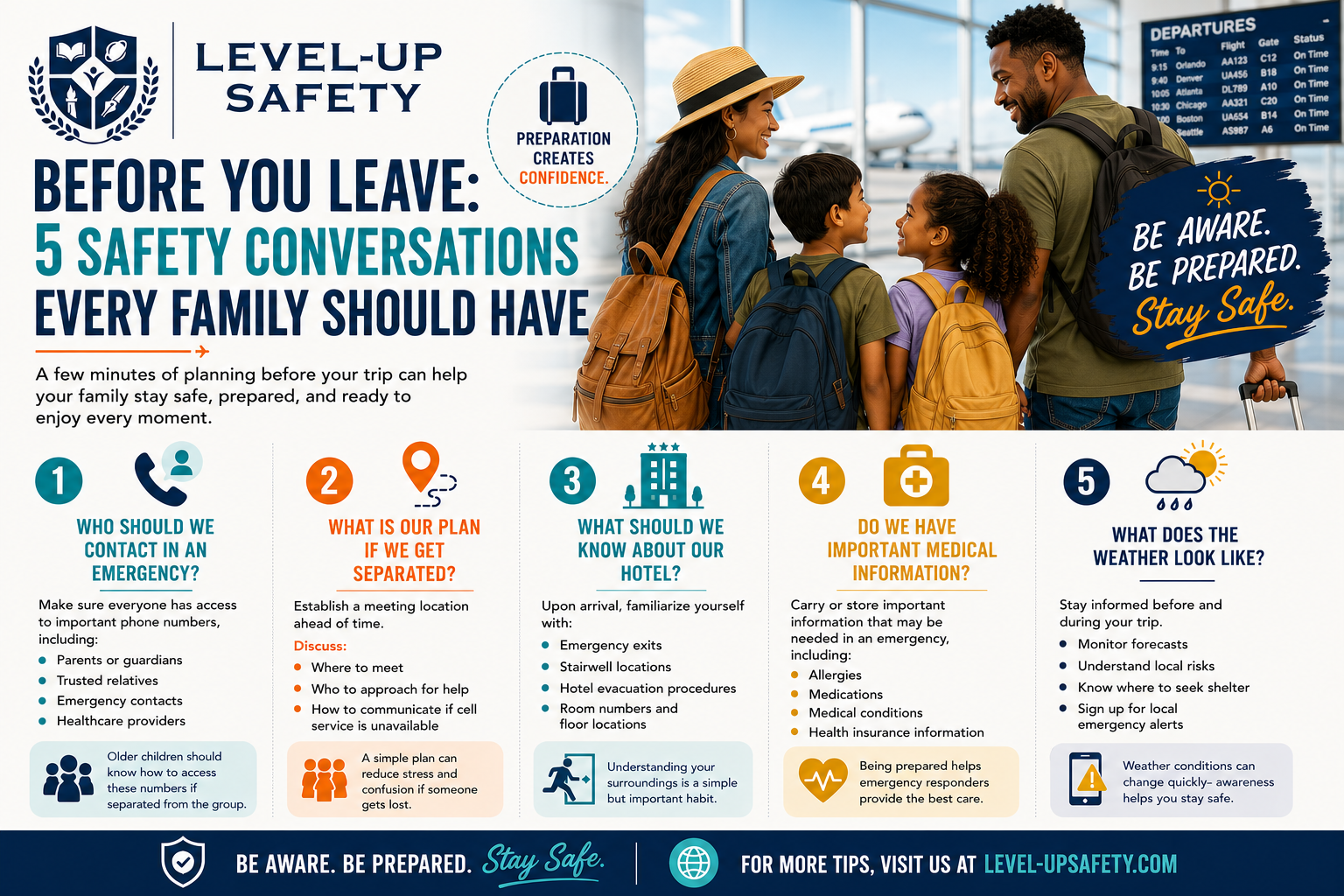
Here are five important conversations every family should consider before traveling this summer.
1. Who Should We Contact in an Emergency?
Make sure everyone has access to important phone numbers, including:
- Parents or guardians
- Trusted relatives
- Emergency contacts
- Healthcare providers if necessary
Now I’m going to mention something that might not be looked upon too keenly but I’m going to say it anyway. I know we have all sorts of phone numbers saved in mobile devices and we’ve become dependent on them always being accessible. However, we’re preparing for real-life emergencies and are, by nature, unpredictable and unscripted. So, teach your kids phone numbers so they remember them without having to rely on any technology. First, cell phones are less reliable during emergencies. Networks before gridlocked and unavailable quicker than anticipated. Second, during a chaotic incident, cell phones get forgotten, lost, thrown and even stolen so relying on them becomes more troublesome. Older children, especially, should know how to access important phone numbers if they become separated from their groups. I say older but I’ve been making sure my kids have my phone number (and my husband’s phone number) memorized since they were 5.
2. What Is Our Plan If We Get Separated?
Whether you’re visiting a theme park, beach, airport, or city, establish a meeting location ahead of time.
Discuss:
- Where to meet
- Who to approach for help
- How to communicate if cell service is unavailable
A simple plan can reduce stress and confusion if someone gets lost. You can think of these as rally points. Where will your family plan to meet if things become unpredictable. Plan ahead with a few points in the event that your first choice is inaccessible.
Funny story, last summer we saw this plan come to life in our own home. One warm day, I was cooking and made a little too much smoke which tripped our smoke alarms. My then 6-year-old ran out of the house and stood by the flag pole in the front yard of our property and waited for everyone else to join him. His response was automatic and only now thinking back, I remember him yelling as he exited the house, “I see smoke, everyone get out!” I often say that he’s my hero and I want to be just like him when I grow up. And this is why.
3. What Should We Know About Our Hotel?
Upon arrival, take a few moments to familiarize yourself with:
- Emergency exits
- Stairwell locations
- Hotel evacuation procedures
- Room numbers and floor locations
Just as we practice safety at home, work, and school, understanding your surroundings while traveling is a really good habit. It shouldn’t take long and this information is usually very easy to find. But take a moment and pay attention to quick exit routes and stairwells. Often, if we get used to only taking elevators, we may not know where the stairs are but consider this your reminder. It could save you a lot of time if you have to find stairs in a panic.
4. Do We Have Important Medical Information Available?
Carry or store important information that may be needed during an emergency, including:
- Allergies
- Medications
- Medical conditions
- Health insurance information
Being prepared can help emergency responders provide appropriate care if needed.
This is another one of those stories I’ll share. When my husband and I used to do a lot of traveling (you know…the life we lived before we had kids), I used to scan all of our important documents and save them in the draft folder of my email. That way, they can be accessed from anywhere in the world and printed if necessary. Feel free to use this trick if you find it helpful.
5. What Does the Weather Look Like?
Weather conditions can be a major concern depending on where you are traveling because they can change quickly, and have the potential to be life threatening.
Before and during your trip:
- Monitor forecasts (not obsessively but definitely pay a little more attention to major weather events)
- Understand local weather risks (ex: tornadoes, hurricanes, flooding, wild fires, wind or sand storms, etc.)
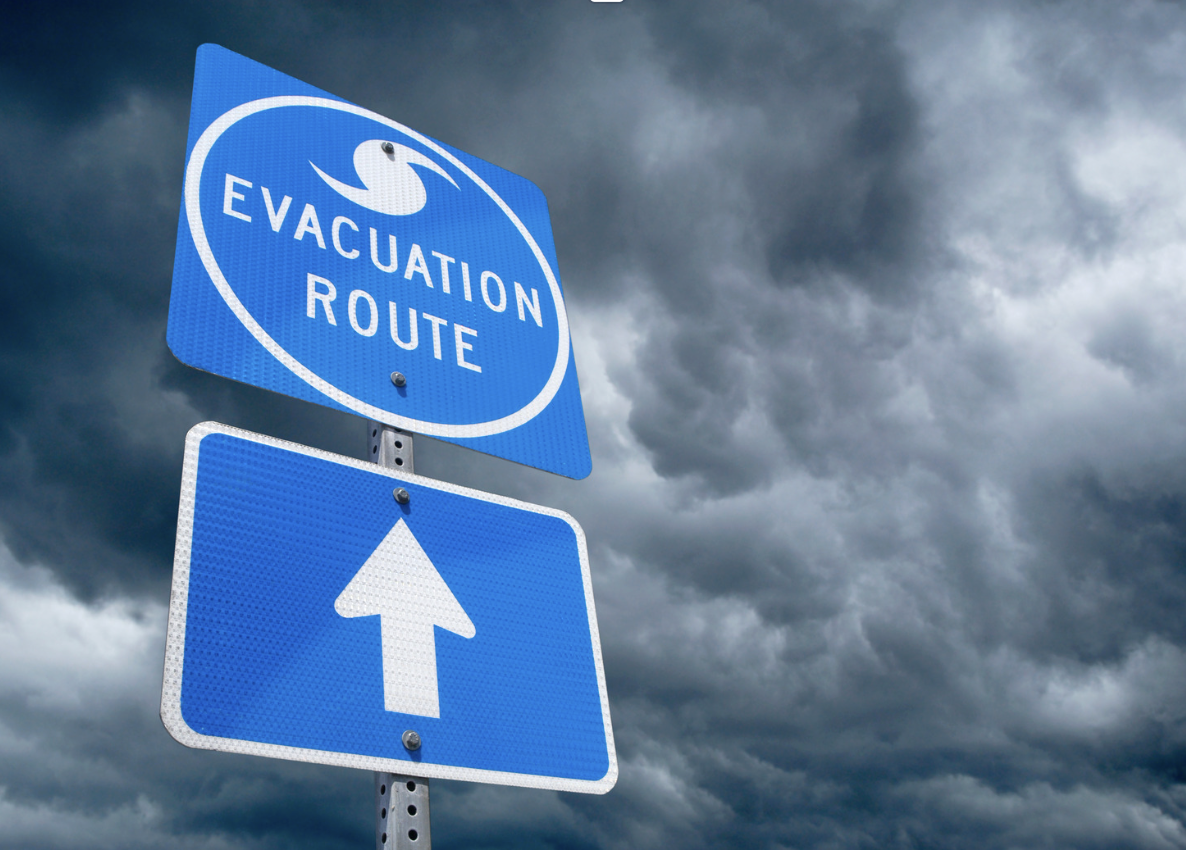
- Know where to seek shelter if severe weather develops (notice evacuation routes, safe harbors, underground bunkers, etc.)
- Sign up for local emergency alerts when appropriate and if available (this can save you from having to listen to weather news while trying to enjoy a peaceful vacation)
Preparation Creates Confidence
The goal of these conversations is not to create worry. It’s truly only to create confidence and reassurance that you and your family are as prepared for the unexpected as possible.
A few minutes of planning before your trip can help your family spend less time worrying about “what if” and more time enjoying the memories you’re there to make. Happy vacationing!